Do Cats Sweat? How They Stay Cool and How to Prevent Overheating
Author:Allison
Released:January 29, 2026
It's 95 degrees outside. You are sweating through your shirt just sitting on the couch. Meanwhile, your cat is wearing a permanent fur coat, appearing completely dry and unbothered.
You might wonder how they survive the summer heat. Do they even sweat at all?
The short answer is yes, but in a very limited way. Their primary cooling system looks entirely different from ours. When a heatwave hits, you cannot rely on them to sweat it out. The real concern is recognizing their physical limits and stepping in before they overheat.
Do Cats Actually Sweat?
Human skin is covered in eccrine sweat glands. When we overheat, we leak water everywhere to cool down. Cats lack this full-body plumbing system.
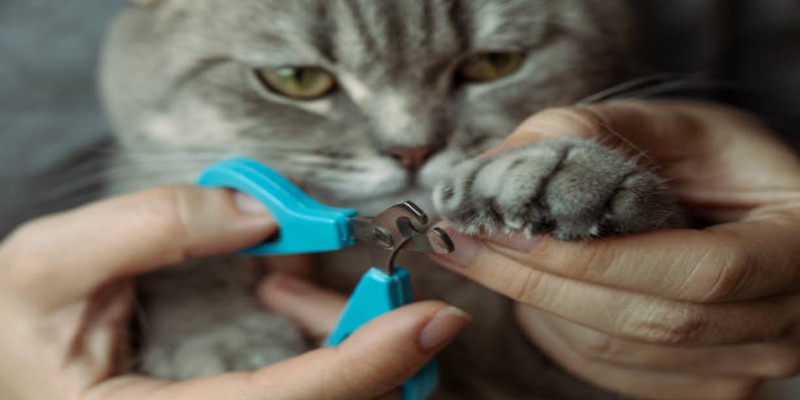
Felines have sweat glands concentrated almost entirely in their paw pads. If you look closely at your hardwood floors on a sweltering afternoon, you might spot tiny, damp paw prints.
That is cat sweat.
However, paw pads cover a tiny percentage of their body surface. Sweating through their feet is nowhere near enough to lower their core temperature during extreme heat.
How Cats Cool Themselves
Since they can't sweat efficiently, cats rely on saliva and physics.
You will notice your cat grooming obsessively when the temperature climbs. They spread saliva over their coat. As that moisture evaporates off the fur, it creates a localized cooling effect—essentially mimicking human sweat.
They are also masters of environmental micro-climates. A cat will actively seek out the coolest surface in your house to dump excess body heat.
This is why they stretch out flat on bathroom tile or hide in uncarpeted corners of the basement. Stretching maximizes the body surface area touching a cold floor.
They also manage heat by moving less. A cat will naturally sleep through the hottest hours of the afternoon to conserve energy and keep their internal temperature stable.
Signs Your Cat May Be Too Hot
Felines mask discomfort well, so you have to watch for specific physical cues.
Panting is a major warning sign. Unlike dogs, cats do not pant to regulate normal body heat. If a cat is breathing heavily with their mouth open, they are already dangerously hot and distressed.
Watch activity levels. Extreme lethargy or a sudden refusal to move points directly to heat exhaustion.
Check their mouth and paws. Excessive drooling or leaving soaking-wet paw prints on the floor means their internal temperature is climbing too high.
Restlessness is another subtle clue. If your cat keeps pacing, switching sleeping spots, or hiding in unusual places, they are trying—and failing—to find relief.
How to Keep Cats Cool at Home
1. Start with hydration.
Place multiple wide, shallow water bowls in different rooms. Felines are notoriously bad at drinking enough water, so make it impossible to ignore.
2. Drop a few ice cubes into their water bowl.
The floating ice acts as a novel toy that encourages them to investigate, leading to more water consumption.
3. Air circulation helps.
If you don't have air conditioning, position box fans near the floor where your cat actually rests. Keep the curtains closed in rooms that take direct afternoon sunlight.
4. Keep the bathroom or kitchen doors open so your cat can access cool tile at any time.
Put a pressure-activated pet cooling mat exactly where your cat already likes to sleep so they don't have to learn a new habit.
5. Dictate their schedule.
Do not use the laser pointer or teaser wand at 2:00 PM. Limit all intense physical play to the early morning or late evening when the ambient temperature drops.
Home Cooling Tips by Cat Type
Not all cats handle the heat the same way.
Long-haired breeds like Persians or Maine Coons trap heat rapidly. You must brush them daily during the summer. Removing the thick, dead undercoat allows air to reach their skin.
Senior cats have weaker circulatory systems. They struggle to regulate body temperature and might not have the energy to seek out cooler rooms. You need to bring the water and cooling mats to them.
Overweight cats are at severe risk. Fat acts as deep insulation. An obese cat will overheat much faster than a lean one, making temperature control non-negotiable.
Kittens are vulnerable too. Their tiny bodies gain and lose heat rapidly. They often lack the survival instincts to stop playing when they get hot, requiring you to enforce nap times.
When to Use a Wet Towel
If your cat is clearly uncomfortable but not in a medical crisis, a damp towel provides relief.
Do not drape a heavy, soaking wet towel over their back. This traps heat against their body and makes the situation worse.
Take a washcloth soaked in cool tap water. Gently wipe down their paws, belly, and the outside of their ears. These are the areas where blood vessels sit closest to the skin.
Never use ice-cold water. Plunging an overheated cat into an ice bath forces blood vessels to constrict instantly. This traps heat inside the core and can induce physiological shock.
When to Call a Vet
Heatstroke is fatal. You must know when to stop home remedies and get professional medical help.
If heavy panting does not stop after a few minutes in a cool room, grab your carrier. Sudden vomiting, extreme muscle weakness, or stumbling means internal organs are starting to fail under heat stress.
If your cat collapses, seems deeply confused, or becomes unresponsive, head directly to the nearest emergency clinic.
Your cat cannot sweat through the summer the way you do. Their damp paw pads aren't up to the task of surviving a heatwave alone.
Preventing heat exhaustion is easier than treating heatstroke at an emergency clinic. Keep the air moving, brush out that heavy undercoat, and make sure fresh water is always within reach.
If you want to ensure your house is prepped for summer, check the ASPCA hot weather safety tips. Keep their environment cool, and they will happily sleep through the worst of the afternoon.
Related Posts
Cat Diabetes Can Start Quietly — Here’s What to Watch For
Homemade Pupsicles: The Easiest Way to Cool Down Your Dog This Summer
Cat Hiding Behavior: When It's Normal And When It's Not
Cat Sleep Positions Explained: What Each Pose Really Means
Male vs. Female Cat Personality: How to Choose the Best Cat for Your Lifestyle